
Find more on: Miller Oil Company Blog
 Residential HVAC system selection deserves careful thought, given all of the possible options available. For most households, the solution is to run an AC during the hot months and shift to a heater in the cold months. An alternative would be to rely on a heat pump all year since it is capable of providing both heating and cooling. Let's delve deeper into the pros and cons of an air conditioner vs. heat pump and decide when to use each of them. [maxbutton id="5" text="Explore Our HVAC Services" ] [maxbutton id="1" text="Call To Schedule A Free, In-Home Consultation" ]
Heat Pumps and Air Conditioners: The Similarities
These two HVAC units operate in similar ways when in cooling mode. Look inside them, and you will find the same parts that are working in the same processes to reduce room temperature. They both soak up the heat in a room and squeeze this out in a continuous manner until they reach the desired temperature. They both use a refrigerant to make the heat go in the right direction. A compressor helps them achieve this effect. Once they get to the set temperature, they will pause until the sensor detects the need to spring into action. Both are effective as cooling solutions and efficient in their use of energy.Heat Pumps and Air Conditioners: The Differences
 Air conditioners can only operate in the way described above. Meanwhile, heat pumps can reverse direction with the flick of a switch. They can gather the heat from the outside and pump this inside the house in the colder months. Nothing changes within the system except the valve. It still uses the refrigerant and the compressor to do everything except that the process happens backwards. The dual nature is incredibly convenient and cost-effective because you don't need to install a separate heating system. [maxbutton id="1" text="Call Today: (860) 745-0326" ]
Which HVAC System Is Right For You?
1. HVAC System Cost: Purchase & Install
 Most people look at the unit price of the HVAC solutions and get the lowest they can find. This is a short-sighted way to make a purchase, given all of the other factors that contribute to the value of a unit. For example, a window-type AC will be relatively cheap, but it will also be incredibly noisy, perform poorly, and inefficient. It is also known for being a source of pathogens over time as bacteria and mold begin to grow inside. In contrast, heat pumps are more costly with two separate units for the indoor and outdoor unit installations. Yet the dual heating and cooling feature arguably make them worth the money. They will also be less noisy. Think of your heating needs to see if it's worth spending extra for this feature.
2. HVAC System: Energy Efficiency and Cost to Operate
 Heat pumps can hold their own when compared with the energy efficiency of air conditioners. After all, they have almost identical components and operations. It should be no surprise that they can both attain high SEER ratings. The Seasonal Energy Efficiency Ratio represents the ability of the unit to turn electrical energy into cooling capacity. You want this to be as high as possible so that your machine won't have to consume as much energy just to keep you comfortable. You will save money in the long-term usage cost. Cooling is one thing, and heating is another. Heat pumps are great at warming up homes in regions that do not experience extreme cold. If the mercury drops under freezing temperatures, then it is a different story. So the question of whether they are good or not will actually depend on the place of residence. In very cold places, it may be better to get a separate furnace to take care of the heating. Of course, such a solution would likely be the more expensive option. [maxbutton id="5" text="Explore Our Heating & Cooling Services" ] [maxbutton id="1" text="Call To Schedule A Free Consultation" ]
3. Heat Pump & Air Conditioner System Longevity
The price of any HVAC system will be considerable. It is only fair to know just how long you will be able to use these expensive units. In this regard, the advantage goes to air conditioners because they are only in use for half the time compared to heat pumps. The former is mostly active in the summer while the latter needs to work in the winter as well. As such, wear and tear affects one faster than the other. Service life may lengthen through periodic tune-ups.Ask An HVAC Expert To Find The Best System For Your Home
 The heating and cooling system will have a great impact on the family's budget and comfort. Do not make a decision without having all of the information you need. Discuss your options with an HVAC contractor. Use this opportunity to ask questions and clarify the confusion. If you do it right, then you won't have any regrets moving forward because you will make the smart choice. The best HVAC experts have undergone thorough training and have proven their worth through years on the job. They will know everything there is to discuss concerning heating and cooling systems. Tell them about your needs and they will be sure to come up with a plan. They will respect your budget and your wishes. They will also consider the system efficiency, indoor air quality, and comfort-oriented features. You can get an in-home estimate from a reputable HVAC company. Schedule a visit today so you can talk about system selection. Your case is distinct from all the rest, and you deserve a service provider who treats it as such. [maxbutton id="1" text="Call To Make An Appointment" ]
Conclusion
Heat pumps and air conditioners are commonly mistaken as the same thing. Others are simply confused as to why these two types of machines exist and how they are different from each other. We have seen how similar they are in terms of operation, parts, performance, and efficiency. We know that heat pumps can do a role reversal and provide heating when needed, albeit only in mild climates. They can suffer from wear and tear sooner than ACs so maintenance is crucial for longevity. Discuss your options with a competent contractor to find your ideal unit.Call Miller Oil Company for All of Your HVAC System Services
 Miller Oil Company prides itself on having the best HVAC services available in Hartford County, Connecticut. If you are looking for competent technicians, then you have come to the right place. Our team of licensed HVAC contractors is highly skilled and experienced. You can be confident in their handling of any issue, including those that require immediate attention. Miller Oil Company offers competitive pricing, so you won't have to worry about your budget. Try our tune-up services if you want to save money by increasing energy efficiency. Consider our replacement services when looking for a better unit. Your satisfaction is guaranteed. So go on and give us a call today for a free estimate. [maxbutton id="1" text="Call Now: (860) 745-0326" ] [maxbutton id="15" text="Read Our Reviews" ] Click here to contact us today or give us a call at (860) 745-0326 if you have any questions.
from HVAC Company - Feed https://www.milleroilcompany.com/air-conditioner-vs-heat-pump/

 Are high humidity levels in your home causing you concern? Are you worried about the damages and health risks that might result from humidity? If you answered yes, then it may be time to look into potential solutions. By doing so, you can alleviate some of the problems that may be caused by excessive humidity in your house. A dehumidifier should be one of the first things to consider. A dehumidifier can effectively decrease moisture in your home. The two main types of dehumidifiers are the portable dehumidifier and the air conditioning unit. An air conditioner uses a cooling process that also extracts humidity in a living space. But how to know what is best for your particular situation? You will need to assess how effective it is to use a
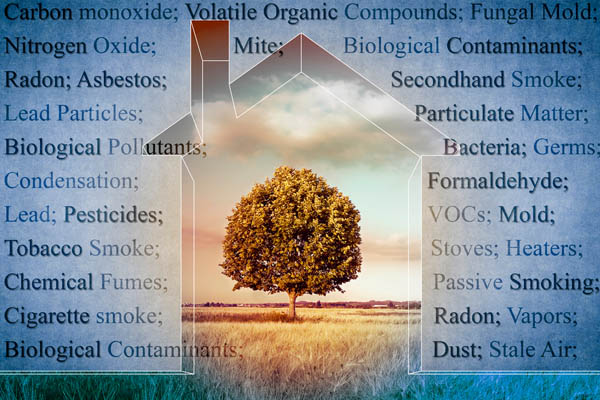 The Occupational Safety and Health Administration (OSHA) has stated that humidity is one of the biggest contributors to poor
 Some common signs that there may be high humidity levels in your house include:
 It is essential to understand that excessive humidity affects the indoor air quality as it relates to your family's health. However, it also affects your home. Humidity can definitely lend itself to an assortment of health conditions. It can also reduce your comfort levels because your home will feel much hotter than it really is. Moreover, high humidity levels in your house can cause the paint to peel. It leads to warped floors, offensive odors, and the discoloration on your ceilings and walls. These damages can result in costly repair fees.
 An air conditioner is a dehumidifier. However, there are other dehumidifiers that reduce humidity. Dehumidifiers come in two primary varieties: whole-house and portable units. Both varieties remove excess humidity in a living space. However, there are some important differences. Just like the name suggests, a portable dehumidifier is in fact portable. This means you can move it from one area of the house to another. However, it will only remove humidity in one room at a time. In contrast, whole-house dehumidifier functions along with the HVAC system in your home and will extract extra humidity across your home. This works to keep everyone in the house comfortable. When considering the benefits of each type of dehumidifier, remember that an air conditioner has an easier time cooling dry air than air that is moist or humid. Therefore, a home with too much humidity can result in wear and tear and higher cooling bills. As a result, the air conditioner will have to work harder to maintain comfort levels in your home. Whole-house dehumidifier functions alongside your air conditioner to reduce humidity levels in your house. This helps to safeguard your HVAC system and your home. It is a win-win situation. [maxbutton id="1" text="Call To Make An Appointment" ]
 There are advantages and disadvantages to using a portable dehumidifier vs. an air conditioner when it comes to eliminating excessive moisture in your house. When it comes down to it, you have to decide what is most important for you. If you buy a portable humidifier, it will be cheaper than installing a whole-house dehumidifier. Perhaps this is a better choice if you only want to eliminate the humidity in one area. Take for example a restroom without an exhaust fan or windows. In this case, a portable unit would be the best choice. On the other hand, if you want to get rid of the humidity throughout your entire house, the better option might be a whole-house dehumidifier that can work with your HVAC system. A portable dehumidifier unit has its limits when it concerns the levels of humidity throughout your entire home. A whole-house dehumidifier can help improve the quality of the air and diminish damages. Removing excessive humidity from just one room will certainly not give the same advantages that a whole-house unit can provide. You must take into consideration the price of increased cooling and stress on your AC. There are also potential home damages and health risks to consider. A whole-house dehumidifier can certainly help when you are ready to improve the overall air quality in your living space. You can protect yourself and your loved ones against dangerous mold and mildew. In comparison to a portable dehumidifier, this option requires less maintenance and you won't need to check the drip pan in the portable unit every day. A whole-house dehumidifier is an ideal option for anyone who wants to minimize humidity-related issues and combine the use of a dehumidifier with your AC unit.
 Your overall quality of life can be greatly increased if you own a canine or feline companion. Caring for a pet provides comfort and happiness for people all over the world. The lasting bonds between pets and their owners can be rewarding. However,
 The best thing a pet owner can do to make sure they have healthy indoor air quality is to have an HVAC system with excellent filtration. Air filters remove tiny particulates floating through the home. It is necessary to regularly monitor, change, and replace your air filters. Otherwise, people in your home will breathe in these pollutants. If the air filters become too clogged with particulates, they will re-release them into the air. Since it’s clogged, fewer particulates will be able to be picked up. This will eventually prevent your HVAC system from working as efficiently as it should. If you own multiple
 To improve your IAQ, it’s essential to regularly groom your animal. Brushing your dog or cat’s fur helps to minimize shedding. Make sure to also clean out their litter boxes, kennels, and any other areas you use for your pet. The fewer pet messes, the less your lungs will have to deal with particulates. A high-power and quality vacuum cleaner with a
 UV lighting is also helpful at cleansing and purifying your indoor air. It's impossible to ignore the large number of germs our pets can carry and transmit, even if they are just outside for a couple of minutes. They can bring in organisms that will come indoors, multiply, and become airborne. UV lights can help to eliminate dangerous bacteria, mold spores, and other harmful pollutants before they spread. They can be installed by an HVAC contractor directly into HVAC ductwork or next to the evaporator coil. Since the UV lights are outside the living area, they have no direct impact on pets or people living in the home. High humidity is something you will want to address as well. Excess indoor moisture is indicated by mold near window sills or condensation on windows. A whole-house dehumidifier is worth considering because it will help your current HVAC system to
 If you live in an area that has high temperatures and damp weather, you’re probably familiar with humidity-that uncomfortable, muggy, and damp feeling. Humidity outdoors is dreadful enough, but when it is inside the home, it feels like there is no escape. Luckily, installing a high-quality HVAC system in your house can mitigate the problem. Keep reading if you have high humidity in your house and want to learn effective tips on
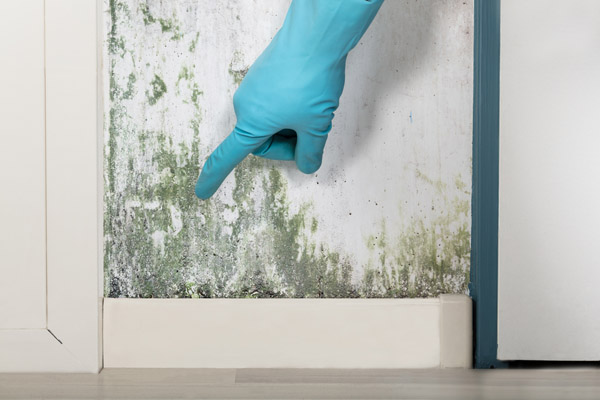 The humidity levels in your home can still be too high, even with the use of an air conditioning system or HVAC unit. Some symptoms of high humidity include:
 Besides causing potential health problems, high humidity can also destroy your home. For example, any excess moisture in the air can start to rot the wood. This issue can cause structural damage to your home and also create openings for pests such as rats, termites, or cockroaches. In addition to that, other high humidity effects are door frames and window frames cracking and damage to porous household items like books, carpets, or clothing. [maxbutton id="6" text="Explore Our AC Services" ] [maxbutton id="1" text="Call To Make An Appointment" ]
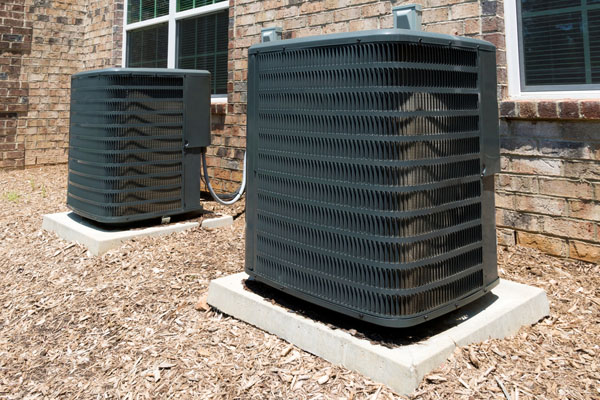 Air conditioners pull out hot, humid air, in addition to blowing cool air into your house. The evaporator coil inside your HVAC system condenses water from the air and brings it out of the house through a drain. Assuming your air conditioner system is working correctly, it should keep your house at the ideal humidity level. The EPA says that 30% to 50% humidity in the house with air conditioning is optimal. A higher or lower percent may indicate air conditioner humidity problems.
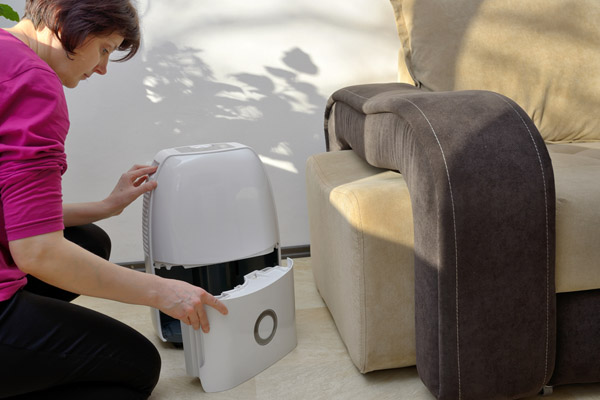 A common question people ask is whether an air conditioner or a dehumidifier is better for removing humidity. Essentially, a dehumidifier removes the moisture from the air, but an air conditioner removes any excess moisture and then cools the air. Portable dehumidifiers are ideal for removing moisture in a specific part of your house. However, to cool large areas, an HVAC system is better. An air conditioner also has an air filter which helps to filter out pollutants. If you want to use a dehumidifier with an air conditioner, a whole-house dehumidifier is best. They work together with your HVAC system to pull out hot, moist air and decrease the temperature in your house. [maxbutton id="1" text="Call To Schedule An Appointment" ]
 The type of structure, materials, and method by which most historic homes were built does not lend itself easily to the installation of modern air conditioning systems. Despite being well-loved and maintained by their owners, historic home architecture and interior layouts make it a challenging decision to choose a suitable system. For example, such homes have walls that make no provision for the ductwork necessary for most HVAC models. Also, adding such ducting to a stately home could prove unsightly. Added to this is the problem of adequate insulation, as historic homes were built in a period where compliance and building regulations were not thought of. However, there is one solution that homeowners in this situation should take advantage of, and that would be to use
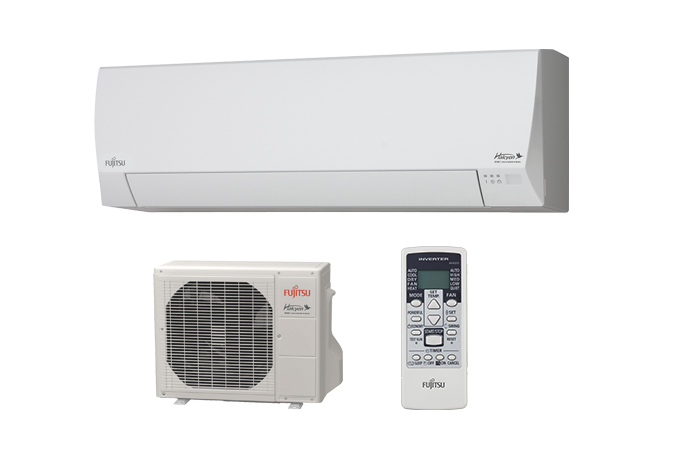
 More energy-efficient operating costs, as well as lower installation costs, means lower bills for the monthly household budget. Naturally, savings will vary depending on the size of the home and how you use your new system. However, independently assessed SEER ratings on ductless AC models are the best among virtually all other air conditioning systems available.
 Ductless mini-splits are becoming increasingly popular among homeowners. Ductless HVAC systems distribute conditioned air without a network of ducts. They deliver excellent heating and cooling in an energy-efficient manner. If you are wondering if a ductless system is the best option for you, let's take a closer look at some
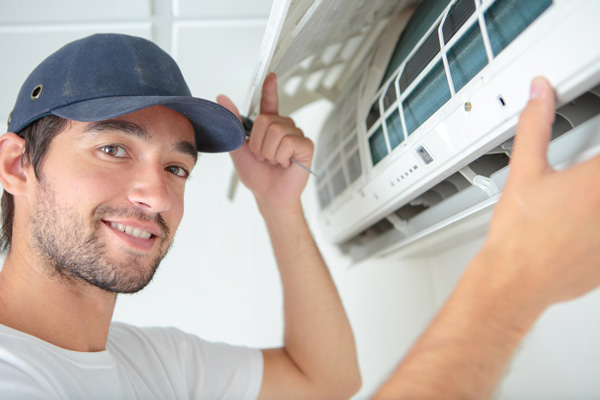
 The summer season may be several months away. However, you shouldn’t wait for the hot months to begin before you check to see if your air conditioning system is in perfect working condition. When the temperatures rise, you will need a reliable AC to maintain home comfort. If you have not booked your
 Maintaining home comfort comes at a price. When your AC is not well-maintained, it will work harder to ensure that adequate home comfort is delivered. More power is consumed this way, and this will be reflected in the escalation of your monthly energy costs. Regular HVAC maintenance ensures that your AC unit functions at a highly efficient level. This way, you receive optimum comfort while
 All air conditioners will experience a malfunction at one point down the line. However, routine maintenance checks help keep its parts in good shape. It includes a thorough inspection of all components and areas of your AC. Any existing problems are resolved immediately. You avoid the need for costly repairs this way. Most likely, the problems only need simple and affordable repairs. Also, you won't have a malfunctioning air conditioner in the summer heat, when you rely on your AC unit the most. [maxbutton id="6" text="Learn More About Our Air Conditioning Services" ] [maxbutton id="1" text="Call To Schedule An Air Conditioner Maintenance Appointment" ]
 Structures that use forced-air air conditioning units have to deal with issues of indoor air quality. Homes and offices need to be sealed for the AC to work efficiently and effectively. However, dust, pet dander, chemicals, lint, and other pollutants will mix with the indoor air as time passes. When you have a poorly-maintained AC, the filters cannot work as it should. It becomes clogged and unable to trap the contaminants. Therefore, the pollutants will continue to be circulated throughout your home for you to inhale. Poor indoor air quality can cause a multitude of health problems. Chemicals that have mixed in the air can irritate your eyes, throat, and nose. Dust, dirt, and pollen can trigger allergies and respiratory problems. Other health issues you might experience include fatigue, headaches, and dizziness. It can even lead to long-term problems when vulnerable individuals like infants and the elderly are exposed to pollutants for too long. Your system must have annual maintenance to avoid all these problems. A professional will make sure that your ventilation system is clean. The air filters will be replaced when necessary, and the ductwork will be cleaned. Any wear and tear will also be addressed immediately. This way, you and your family can have the home comfort and clean air you deserve. [maxbutton id="1" text="Call Miller Oil Company Today: (860) 745-0326" ]